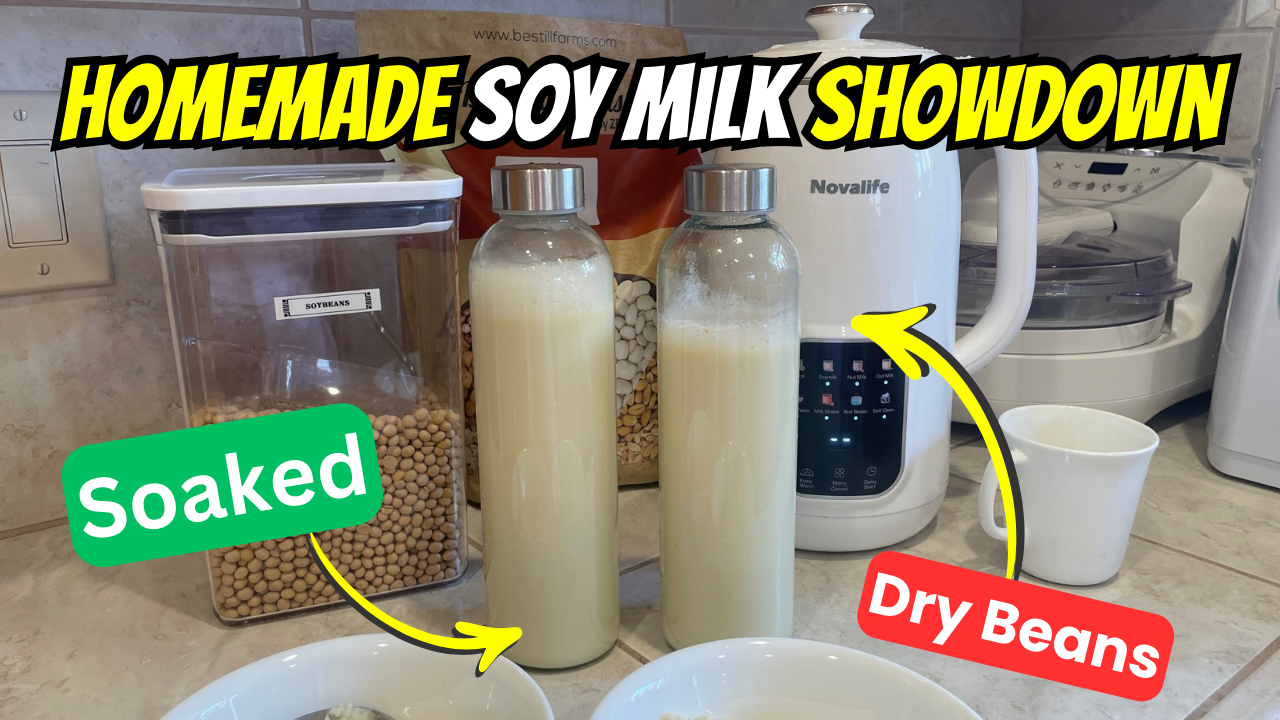
Everyone says you have to soak soybeans overnight before making soy milk… but do you really? Today, I’m putting that to the test.
Watch my video:
View my Homemade Soy Milk Shopping List on Amazon >
If you’ve been wondering how to make homemade soy milk that’s just as good as the kind you buy in a carton, you’re in the right place. In this video, I’ll show you exactly how I make it, step by step, along with the tips I’ve learned as a former professional chef to get great results with as little work as possible.
I don’t like spending a lot of time and effort in the kitchen, but I do love a good glass of soy milk. So I set out to create the easiest method I could for making homemade soy milk that I can actually fit into my everyday routine. With just a few kitchen tools I purchased on Amazon, I can make fresh soy milk at home with very little hands-on work.
Today we’re also answering one of the biggest questions about homemade soy milk: Do you really need to soak your soybeans overnight? I’ll make one batch with soaked beans and one batch with dry beans using the exact same machine. Then we’ll compare the flavor, texture, soy milk yield, tofu yield, and the total time each method takes so you can decide for yourself whether soaking is really worth the extra time.
Whether you’re trying to save money, avoid unnecessary additives, or simply enjoy making food from scratch, I’ll walk you through the entire process so you can confidently make delicious homemade soy milk at home.
Why I Tested Soaked vs. Unsoaked Soybeans
If you’ve searched for homemade soy milk recipes, you’ve probably noticed that nearly every recipe begins with the same instruction: soak your soybeans overnight. While soaking has traditionally been recommended, it also adds 8–12 hours to the process.
Since I enjoy simplifying recipes whenever possible, I wanted to find out if soaking actually makes enough of a difference to justify the extra time.
For this test, I used the exact same recipe, the exact same nut milk maker, and the exact same amount of soybeans and water. The only variable was whether the soybeans had been soaked overnight.
After making both batches of soy milk, I compared:
* Soy milk yield
* Flavor
* Texture
* Ease of straining
* Tofu yield
* Finished tofu texture
* Total preparation time
My goal wasn’t to prove one method right or wrong. I simply wanted to see whether soaking is actually necessary for home cooks who want an easy, repeatable process.
Homemade Soy Milk Equipment I Used
Here’s everything I used to make this homemade soy milk the easiest way possible:
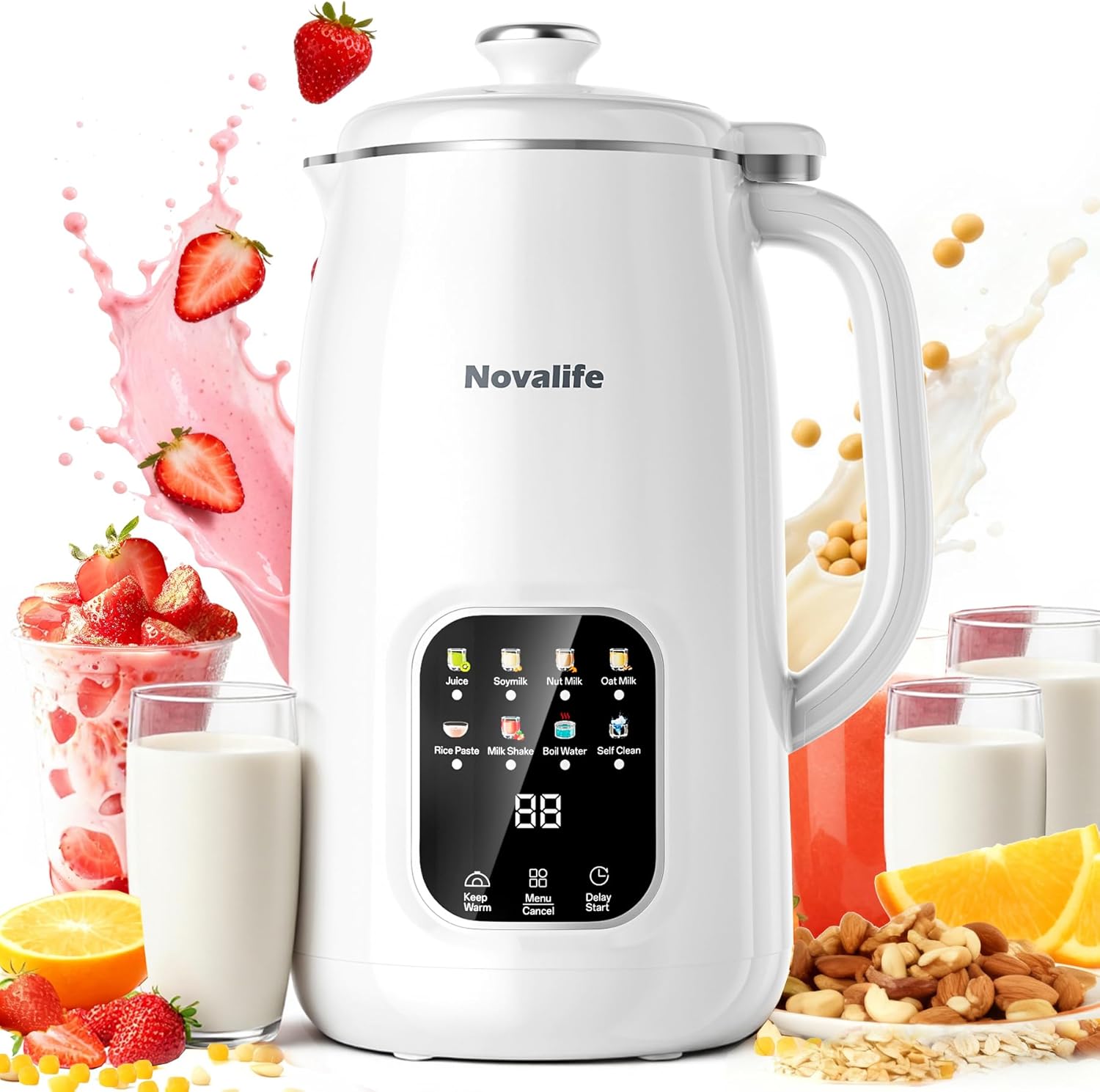
Novalife Nut Milk Maker
The Novalife Nut Milk Maker does most of the work for me by grinding, heating, and cooking the soy milk in one machine. Instead of standing over the stove blending and boiling soybeans, I simply add the ingredients, choose the soy milk setting, and let the machine do the work. It’s become one of my favorite kitchen appliances because it makes homemade soy milk practical enough to prepare regularly.
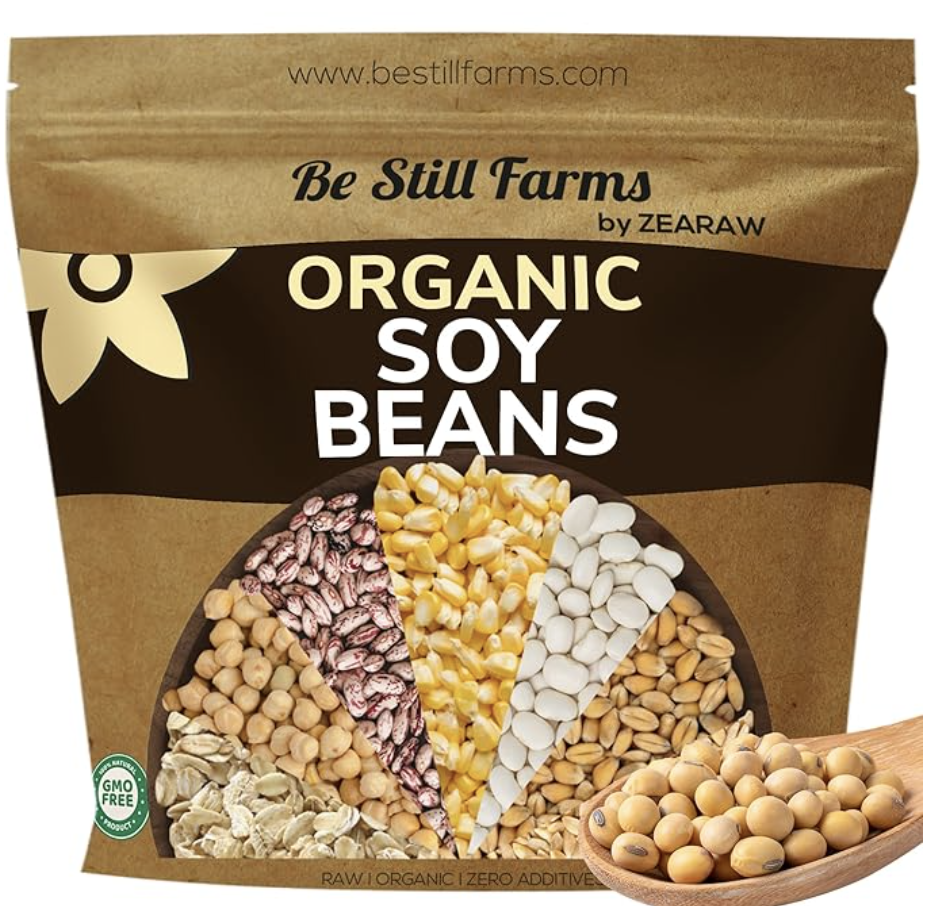
Be Still Farms Organic Soybeans
For both batches I used Be Still Farms Organic Soybeans. Using the same variety of soybeans helps ensure that any differences in the finished soy milk come from the soaking process rather than the beans themselves. Fresh, high-quality soybeans generally produce better flavor and yield than older beans that have been sitting in storage for a long time.
Soy Milk Straining Device
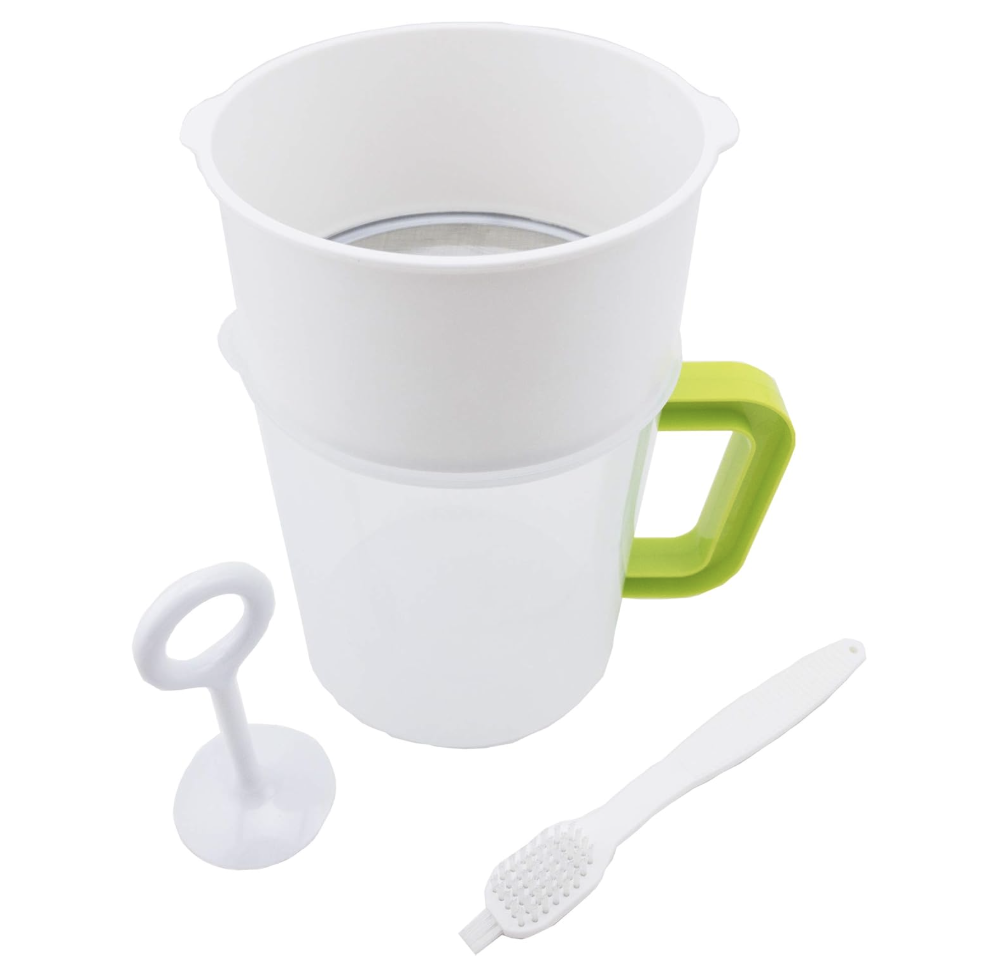
Although many nut milk makers produce fairly smooth soy milk, I still like straining mine to remove any remaining soybean pulp. A dedicated soy milk straining device makes this much easier and helps produce a smoother, cleaner-tasting finished drink. The leftover soybean pulp, also known as okara, can also be saved for use in other recipes.
Circle Joy Milk Frothing Wand
Before making tofu or mixing ingredients into my soy milk, I often use the Circle Joy Milk Frothing Wand for quick mixing. It helps blend ingredients evenly in just a few seconds and is also useful for mixing hot chocolate, protein drinks, and other beverages.

Ultrasonic Produce Cleaner
Before making soy milk, I like to give my soybeans a thorough cleaning using my ultrasonic produce cleaner. While it won’t sterilize the beans, it helps remove dust, dirt, and other surface debris that may be present from harvesting, processing, and storage. It’s a quick step that gives me extra peace of mind before using the soybeans in homemade soy milk. I also use the cleaner for fresh fruits and vegetables, making it a versatile kitchen tool that gets regular use in my home.

Zukro Glass Jars
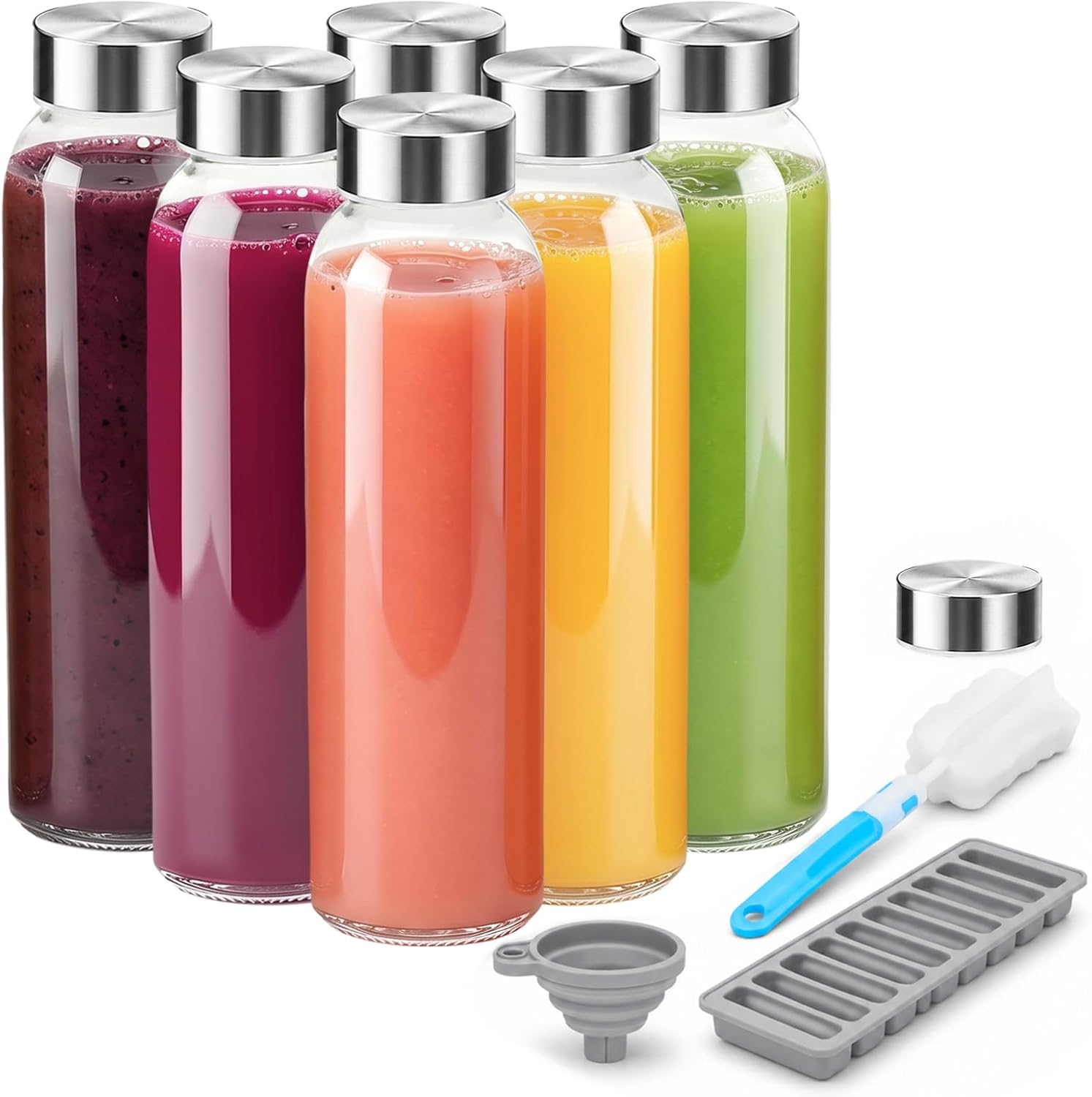
Once the soy milk has cooled, I store it in Zukro Glass Jars in the refrigerator. Glass jars are easy to clean, don’t absorb odors or stains, and make it easy to pour and store homemade soy milk throughout the week.
Alpha Grillers Digital Thermometer
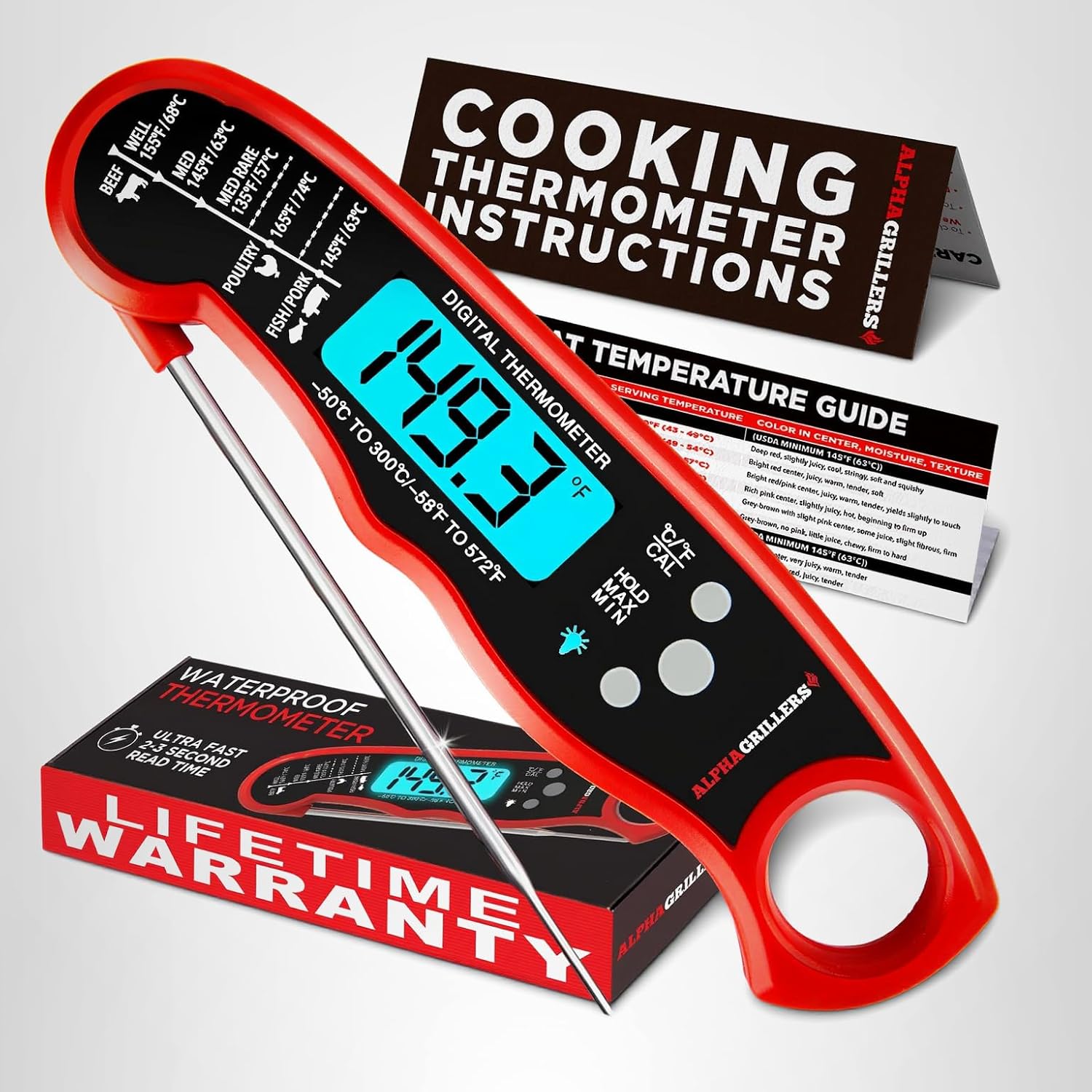
Temperature matters when making tofu. The Alpha Grillers Digital Thermometer allows me to quickly check the temperature of my soy milk before adding a coagulant. Having an accurate instant-read thermometer removes the guesswork and helps produce more consistent results.
How I Conducted the Homemade Soy Milk Test
- Both batches were prepared using identical amounts of soybeans and water.
- One batch used soybeans that had been soaked overnight.
- The second batch used dry soybeans with no soaking at all.
- Both batches were processed using the same soy milk program in the Novalife Nut Milk Maker.
- After straining the soy milk, I evaluated each batch for flavor, texture, ease of preparation, and overall yield. I then made tofu from each batch to compare the finished results.
My Homemade Soy Milk Results
Here’s a quick overview of my results:
Soaked Soybeans
* Soy milk yield: 4 cups
* Flavor: Slightly beany, but not overwhelming or off putting, delicious flavor
* Texture: Very smooth and creamy
* Total preparation time: 12 hours soaking + less than 40 minutes total (including making soy milk and straining)
Unsoaked Soybeans
* Soy milk yield: 4 cups
* Flavor: Less beany, delicious flavor
* Texture: Slightly gritty, still creamy
* Total preparation time: Less than 50 minutes including 10 minutes for washing the beans with ultrasonic cleaner, cooking soymilk in soy milk maker, and straining
Final Thoughts
One of the things I enjoy most about making food from scratch is questioning whether every traditional step is still necessary with modern kitchen equipment.
Sometimes those extra steps truly improve the final product. Other times, they’re simply habits that have been passed down for generations without much testing.
I hope this comparison helps you decide which method works best for your own kitchen. Whether you choose to soak your soybeans or skip the soaking altogether, making homemade soy milk is easier than many people think—and once you find a process that fits your routine, it’s a rewarding way to enjoy fresh soy milk whenever you want it.
If you enjoyed this experiment, be sure to check back for more homemade soy milk and tofu tests where I’ll continue comparing techniques, equipment, and ingredients to find the easiest ways to make great homemade food.
View my Homemade Soy Milk Shopping List on Amazon >
Further reading:
Why THIS Is The Best Nut Milk Maker to Buy in 2026
Pin this post on Pinterest: