Eating a plant-based diet is one of the most powerful steps you can take for healthy aging. Many people inspired by the Daily Dozen approach and even seasonal patterns like the Daniel Fast experience improvements in energy, weight management, blood pressure, and overall vitality.
- Learn more about Micronutrient Blood Testing with LabCorp >
- Shop my Plant-Based Over 40 & Thriving Toolkit
- Download this Micronutrients Deficiency List as a PDF: Plant Based Over 40 Deficiencies List
Why Guessing Doesn’t Work After 40
Here’s the key:
Symptoms overlap.
Fatigue could be iron, B12, thyroid, vitamin D, magnesium — or a combination.
Hair thinning could be iron, zinc, thyroid, protein, or stress.
Brain fog could be B12, omega-3s, iron, sleep, or blood sugar instability.
Even evidence-based plant-focused educators like Michael Greger emphasize intentional planning for nutrients like B12.
Eating well is foundational.
But absorption, stress, hormones, and individual variation matter more with age.
Testing allows you to:
- Identify hidden insufficiencies
- Supplement strategically instead of blindly
- Optimize energy and cognitive clarity
- Support long-term bone and muscle health
- Personalize your plant-based approach
Shop for Supplements & Micronutrient Deficiency Testing
I created a quick and easy toolkit for shopping for what you may need called “Plant-Based Over 40 & Thriving Toolkit”. I included 12 products I recommend including supplements and micronutrient deficiency testing options.
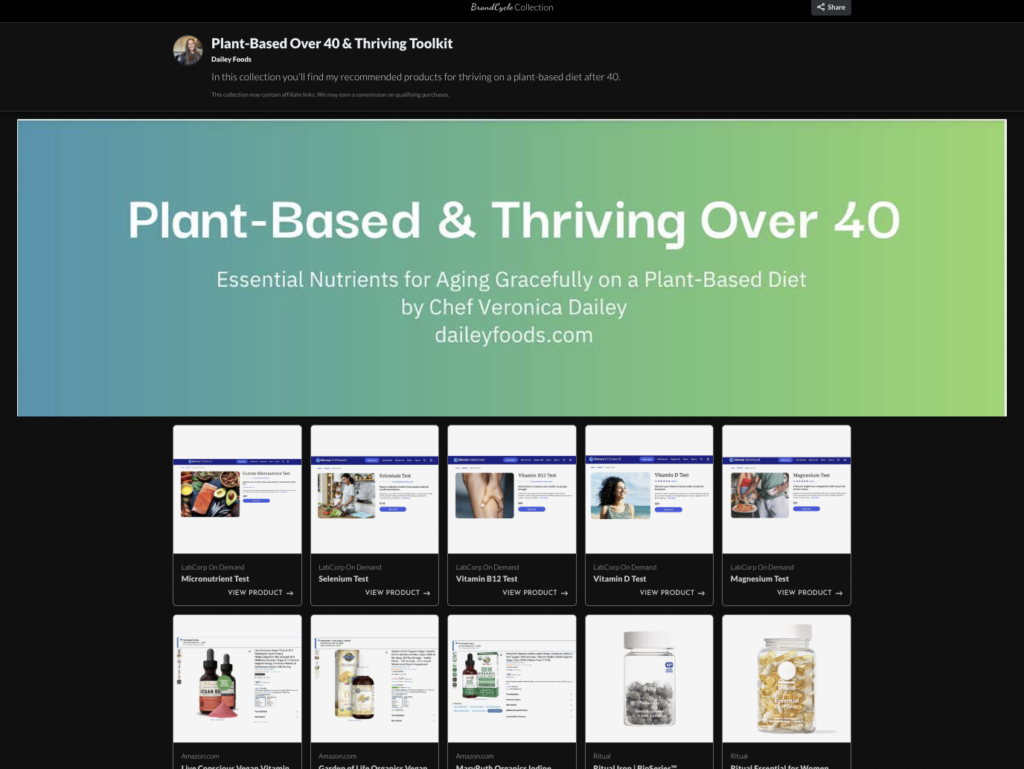
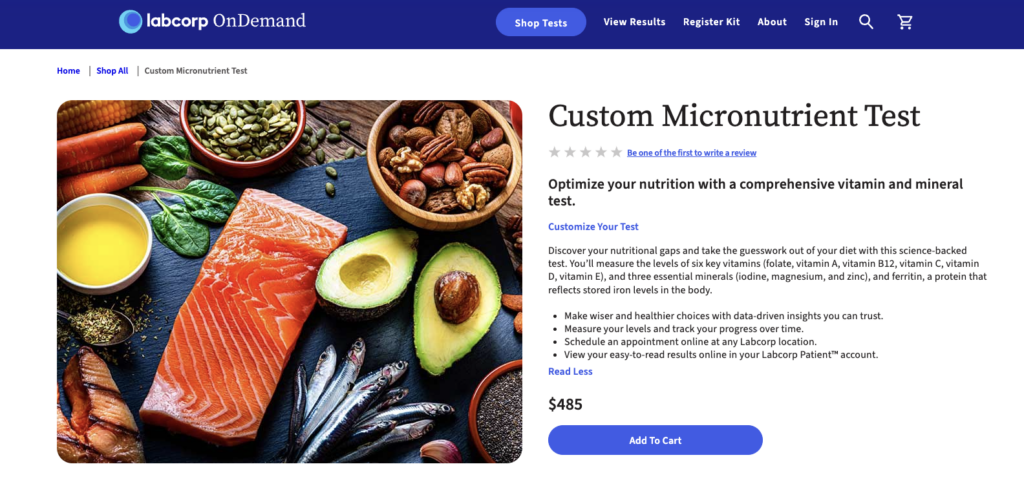
I get my blood tested once or twice a year to make sure I’m not having an micronutrient deficiencies through LabCorp. Tests usually come with results within 24-72 hours. Because I follow a plant based diet this is so helpful!
- Learn more about Micronutrient Blood Testing with LabCorp >
- Shop my Plant-Based Over 40 & Thriving Toolkit
- My Micronutrient Blood Test helped me treat my gout!
But here’s something not talked about enough:
After 40, your nutrient needs shift — and absorption changes.
You can eat beautifully.
You can follow the Daily Dozen.
You can avoid ultra-processed foods.
And still have hidden micronutrient gaps.
This isn’t a flaw in plant-based eating. It’s a reminder that precision matters more as we age.
Vegan Diet Deficiencies
Below are 10 nutrients plant-based adults over 40 shouldn’t leave to guesswork.
1. Vitamin B12 Deficiency
Why it matters after 40:
Stomach acid naturally declines with age, which makes B12 absorption harder — even if intake looks adequate.
Why plant-based eaters are at risk:
B12 is not reliably found in plant foods unless fortified.
Low levels may show up as:
- Brain fog
- Tingling in hands/feet
- Fatigue
- Mood changes
B12 deficiency can develop slowly and quietly. Testing removes uncertainty.
2. Iron Deficiency
Why it matters:
Iron supports oxygen delivery, energy, and hair health.
Plant-based challenge:
Non-heme iron (from plants) is less absorbable than heme iron.
Common signs of low iron:
- Fatigue
- Hair thinning
- Shortness of breath
- Cold intolerance
Women in their 40s — especially perimenopausal — are particularly vulnerable.
3. Zinc
Why it matters:
Zinc supports immune resilience, wound healing, and hormone balance.
Plant-based challenge:
Phytates in legumes and grains can reduce zinc absorption.
Possible signs:
- Frequent colds
- Slow healing
- Thinning hair
- Skin issues
Zinc insufficiency is common and often overlooked.
- Shop my Plant-Based Over 40 & Thriving Toolkit
- Learn more about Micronutrient Blood Testing with LabCorp >
4. Omega-3 Fatty Acids (EPA & DHA)
Why they matter after 40:
Brain health, inflammation regulation, and cardiovascular protection become increasingly important.
Plant-based challenge:
Flax and chia provide ALA, but conversion to EPA/DHA is limited.
Potential signs:
- Dry skin
- Joint stiffness
- Brain fog
- Mood changes
Testing can clarify whether conversion is sufficient for you.
5. Iodine Deficiency
Why it matters:
Essential for thyroid hormone production and metabolic balance.
Plant-based challenge:
If you avoid iodized salt and don’t consume sea vegetables regularly, intake may be low.
Low iodine may contribute to:
- Fatigue
- Cold sensitivity
- Thinning outer eyebrows
- Sluggish metabolism
Thyroid health becomes especially relevant after 40.
6. Selenium
Why it matters:
Critical for thyroid conversion and antioxidant defense.
Plant-based challenge:
Selenium content in foods depends heavily on soil levels.
Low levels may affect:
- Thyroid function
- Immune strength
- Oxidative stress resilience
Because soil levels vary geographically, intake can be inconsistent.
- Shop my Plant-Based Over 40 & Thriving Toolkit
- Learn more about Micronutrient Blood Testing with LabCorp >
7. Vitamin D Deficiency
Why it matters after 40:
Supports bone density, immune health, and inflammation regulation.
Plant-based challenge:
Few natural plant sources. Sun exposure varies widely.
Low levels may show as:
- Frequent illness
- Bone loss
- Low mood
- Muscle weakness
Vitamin D insufficiency is common across all diet patterns.
8. Calcium
Why it matters:
Bone preservation becomes a priority after 40, particularly for women.
Plant-based challenge:
Intake may be inconsistent without fortified foods or consistent leafy green consumption.
Low calcium may increase risk for:
- Bone density loss
- Muscle cramps
Absorption efficiency also shifts with age.
9. Magnesium
Why it matters:
Magnesium supports sleep quality, stress resilience, blood sugar regulation, and muscle recovery.
Plant-based reality:
Even whole-food eaters often fall short due to soil depletion and stress demands.
Possible signs of low magnesium:
- Poor sleep
- Anxiety
- Muscle cramps
- Sugar cravings
Magnesium depletion is common in adults over 40.
10. Protein (Especially Leucine Intake)
Why it matters after 40:
Muscle preservation becomes critical. Age-related muscle loss (sarcopenia) begins subtly in midlife.
Plant-based challenge:
Total protein may be adequate, but leucine per meal may be low.
Low intake can contribute to:
- Loss of strength
- Slower recovery
- Metabolic slowdown
Muscle mass is one of the strongest predictors of healthy aging.
Plant-Based Eating Is Powerful — Precision Makes It Stronger
This isn’t about fear.
It’s about refinement.
A plant-based diet can absolutely support vibrant aging. But after 40, it’s wise to move from general nutrition advice to personalized data.
If you’re plant-based and over 40, these are 10 nutrients you shouldn’t guess about.
Because healthy aging isn’t just about eating clean.
It’s about knowing where you stand.
Further reading:
- Ultimate Beginners Guide to Micronutrients Diet in 2026
- Do You Really Need Supplements on a Plant-Based Diet?
Pin this post to Pinterest: