If you’re new to eating plant-based, you’ve probably asked this question: Do I need supplements, or can I get everything from food?
The honest answer is: it depends — and it doesn’t have to be complicated.
In this video, I’m sharing which supplements I personally take, which ones I don’t, and how I make sure I’m getting enough nutrients on a plant-based diet without being extreme.
This isn’t medical advice — just what works for me and what’s commonly recommended for plant-based beginners.
Do You Really Need Supplements on a Plant-Based Diet?
A plant-based diet can be very nutritious, but some nutrients are harder to get consistently from plants alone, especially when you’re just starting out. That’s where supplements can be helpful.
The most important supplement for plant-based eaters is vitamin B12.
If you eat little or no animal products, B12 is essential for nerve function, red blood cells, and energy, and it isn’t reliably available from plant foods. This is one supplement most plant-based eaters need, and it’s simple and affordable.
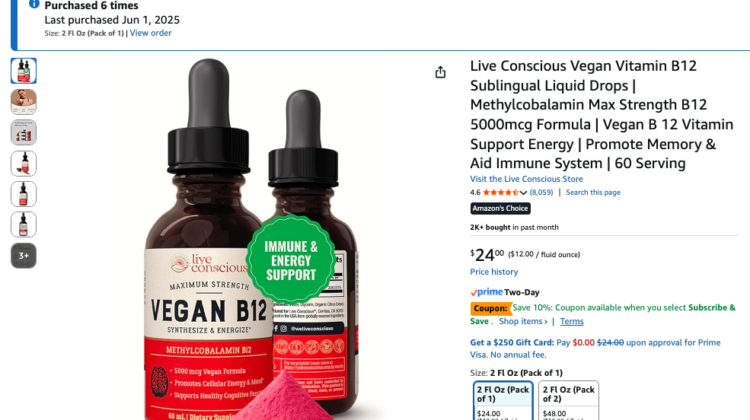
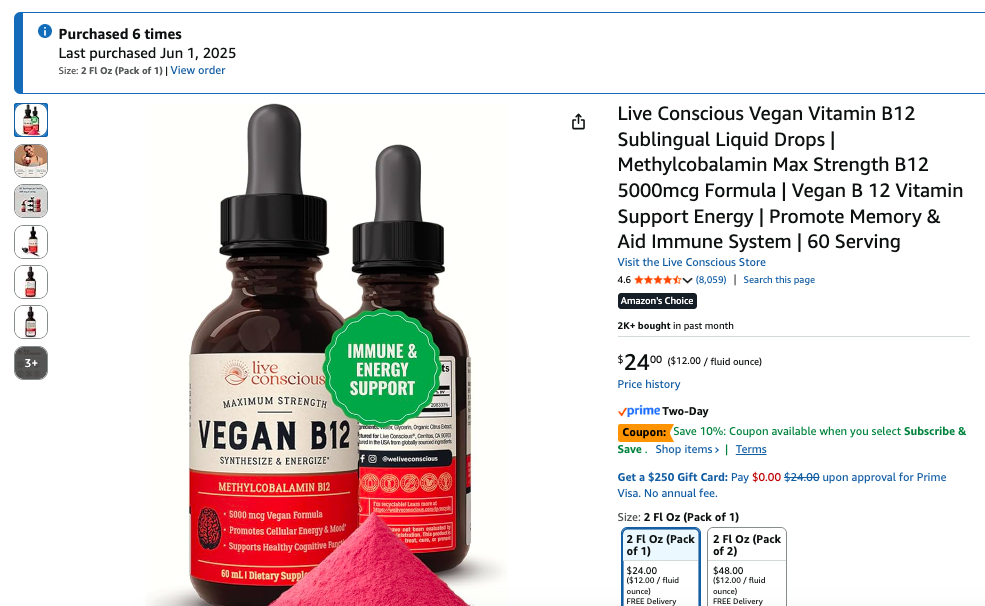
Live Conscious Vegan Vitamin B12 Sublingual Liquid Drops | Methylcobalamin
I take the Live Conscious Vegan B12 drops and purchase them on Amazon. These are the natural source of B12 called methylcobalamin. Some people prefer the synthetic source for this vitamin. My experience is the synthetic source didn’t absorb very well in my body.
I also take vitamin D3.
Many people, plant-based or not, are low in vitamin D, especially if they don’t get regular sun exposure. Vitamin D supports bone health, immune function, and overall well-being.
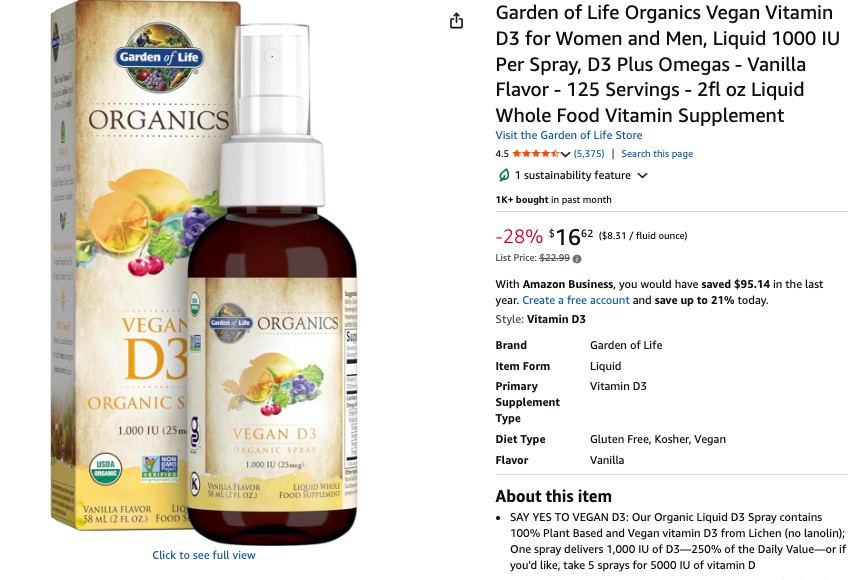
Garden of Life Organics Vegan Vitamin D3
I take the Garden of Life Organics Vegan Vitamin D3 spray and purchase it on Amazon.
Another supplement I take is iodine.
Iodine supports thyroid health and can be harder to get if you don’t use iodized salt or eat sea vegetables regularly. Rather than guessing, I choose to supplement a small, consistent amount.
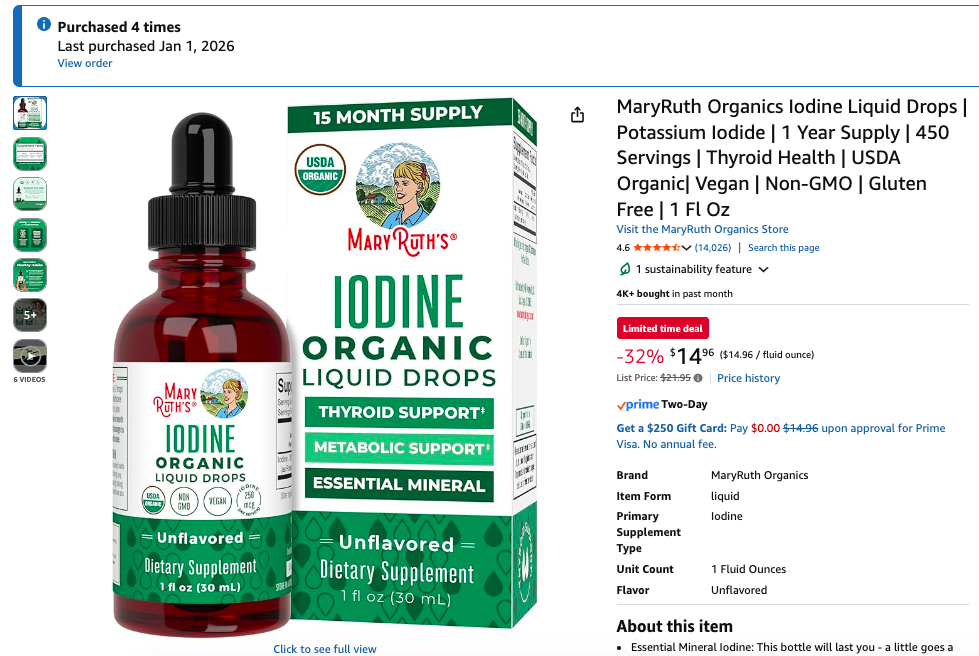
MaryRuth Organics Iodine Liquid Drops
I take the MaryRuth Organics Iodine Liquid Drops and buy them on Amazon.
One thing I don’t take is protein powder.
That’s a personal choice, not a rule. For me, most protein powders don’t contain fiber, don’t provide many B vitamins, and aren’t from whole food sources.
Instead, I prefer to get protein from whole foods because they come with fiber, vitamins, minerals, and other beneficial compounds — not just isolated protein.
Throughout the day, I focus on eating a variety of legumes, whole grains, nuts, and seeds. When these foods are spread across meals, protein usually takes care of itself, especially for beginners.
To avoid guessing, I track my diet using the Cronometer app.
It helps me see my protein intake, vitamins, and minerals and identify where I might be falling short. I don’t track forever, but it’s very helpful when transitioning to a plant-based diet.
- Why Use Cronometer App for Vegan Nutrition Tracking
- Top 8 questions about Cronometer app – answered!
So, do you really need supplements on a plant-based diet?
Most people need B12, many benefit from vitamin D, and some may need iodine. Beyond that, a well-planned, whole-food plant-based diet can cover a lot.
You don’t need to be perfect.
You don’t need a cabinet full of powders.
You just need awareness, variety, and a realistic approach.
FREE YOUTUBE COURSE: Getting Started on a Plant-Based Diet
If you want more realistic, beginner-friendly plant-based tips, consider subscribing for more videos like this. Check out my YouTube free course “Getting Started on a Plant-Based Diet” for more information and inspiration!
Here’s the first video in this course:
Further reading: