

Ready to Start Focusing on Your Daily Recommended Micronutrients?
In this post, I share an ultimate beginner’s guide to a micronutrient-focused diet and how to meet your recommended daily intake. Keep reading to learn what micronutrients are, the best food sources, signs of deficiency, and what to do if you think you might have a micronutrient deficiency.
The information in this blog post is for educational purposes and includes my personal recommendations from a chef’s perspective. I am not a physician or dietitian. Please contact your physician prior to making any changes based on the information in this post.
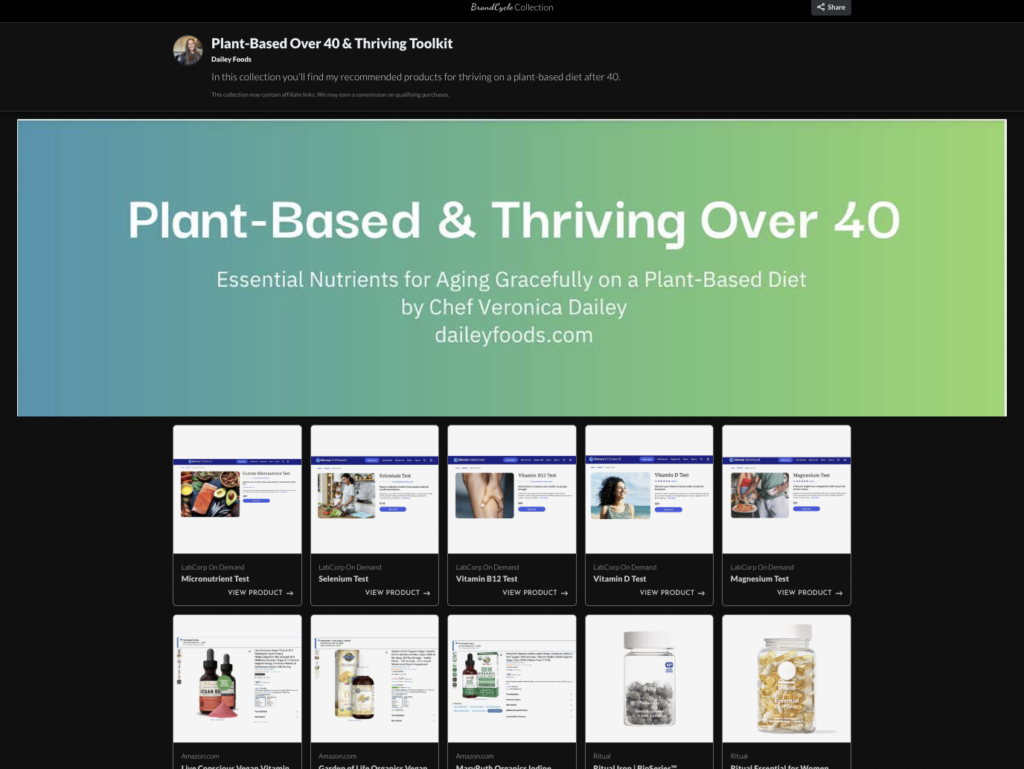
Shop my Plant-Based Over 40 & Thriving Toolkit
Here’s a page where I share my recommended vegan supplements and micronutrient deficiency testing options:
What Are Micronutrients?
- Micronutrients are vitamins and minerals that we must consume daily because our bodies do not produce them on their own.
- Below is a list of these essential nutrients, also known as micronutrients.
Micronutrient Testing
Watch what I found out from getting my micronutrients tested recently! The results helped me with a serious health issue I was experiencing!
Affiliate link: Learn more about LabCorp Micronutrient Testing >
Affiliate link: Learn more about LabCorp Micronutrient Testing >
Macronutrients vs. Micronutrients
Most dietary advice focuses on macronutrients, which include fats, carbohydrates, and protein. These are very important to consume each day. However, they are generally easier to incorporate into your diet because nearly all foods contain fats, carbohydrates, and protein.
Micronutrients, on the other hand, vary significantly by food. Some foods are rich in specific vitamins and minerals, while others contain very little or none. This is why it’s important to intentionally plan your diet around these essential nutrients.
Focusing on micronutrients has become a priority for me because deficiencies can cause many health problems. When I prioritize vitamins and minerals first, it becomes much easier to add adequate protein, fats, and carbohydrates afterward.
Micronutrients: Food Examples and Functions
Here is a list of micronutrients and a brief description of their functions.
Vitamins
| Vitamin | Function Overview | Good Food Sources | Typical Adult RDA / AI |
|---|---|---|---|
| Vitamin A | Supports vision, immune health, reproduction | Sweet potatoes, carrots, spinach, liver | ~900 mcg (men), ~700 mcg (women) (ScienceDirect) |
| Vitamin C | Antioxidant, immune support, skin health | Bell peppers, citrus fruits, broccoli | 90 mg (men), 75 mg (women) (Healthline) |
| Vitamin D | Bone health, immune regulation | Salmon, UV-exposed mushrooms, fortified milk | 15–20 mcg (600–800 IU) (Healthline) |
| Vitamin E | Antioxidant, protects cells | Sunflower seeds, almonds, wheat germ | ~15 mg (Healthline) |
| Vitamin K | Blood clotting & bone health | Kale, spinach, broccoli | ~120 mcg (men), ~90 mcg (women) (ScienceDirect) |
| Thiamine (B1) | Energy metabolism, nerve function | Whole grains, pork, fortified cereals | ~1.2 mg (men), ~1.1 mg (women) (Healthline) |
| Riboflavin (B2) | Energy production | Eggs, dairy, lean meats | ~1.3 mg (men), ~1.1 mg (women) (Healthline) |
| Niacin (B3) | Metabolism, skin and nerve health | Chicken, tuna, mushrooms | ~16 mg (men), ~14 mg (women) (Healthline) |
| Pantothenic Acid (B5) | Hormone & cholesterol synthesis | Mushrooms, avocado, meat | ~5 mg (AI) (Healthline) |
| Vitamin B6 | Brain development, metabolism | Chickpeas, fish, potatoes | ~1.3–1.7 mg (Healthline) |
| Biotin (B7) | Metabolism of fats, carbs, protein | Eggs, nuts, spinach | ~30 mcg (AI) (Healthline) |
| Folate (B9) | Cell division, DNA synthesis | Leafy greens, legumes | ~400 mcg (Healthline) |
| Vitamin B12 | Nerve & blood cell health | Clams, meat, fish, fortified foods | ~2.4 mcg (Healthline) |
Minerals
| Mineral | Function Overview | Good Food Sources | Typical Adult RDA / AI |
|---|---|---|---|
| Calcium | Bone & teeth health | Dairy, fortified plant milks, tofu | ~1000 mg adults; ~1200 mg >50 yrs (ScienceDirect) |
| Iron | Oxygen transport (hemoglobin) | Lentils, beans, spinach, fortified cereals | ~8–18 mg (higher for menstruating women) (Livestrong) |
| Magnesium | Muscle & nerve function | Nuts/seeds, whole grains, spinach | ~320–420 mg (ScienceDirect) |
| Phosphorus | Bone health & energy metabolism | Meat, fish, dairy, nuts | ~700 mg (ScienceDirect) |
| Potassium | Electrolyte balance, heart function | Avocado, sweet potatoes, beans | ~4700 mg (AI) (ScienceDirect) |
| Sodium | Fluid balance & nerve function | Table salt, processed foods | ~1500 mg (AI) (ScienceDirect) |
| Zinc | Immune function, healing | Meat, shellfish, seeds | ~11 mg (ScienceDirect) |
| Selenium | Antioxidant defense, thyroid health | Brazil nuts, seafood, grains | ~55 mcg (ScienceDirect) |
| Iodine | Thyroid hormone production | Iodized salt, seaweed, seafood | ~150 mcg (ScienceDirect) |
| Copper | Iron metabolism, nerve function | Shellfish, nuts, seeds | ~900 mcg (ScienceDirect) |
| Manganese | Bone formation, metabolism | Whole grains, nuts, tea | ~1.8–2.3 mg (AI) (ScienceDirect) |
| Molybdenum | Enzyme function | Legumes, grains, dairy | ~45 mcg (ScienceDirect) |
| Chloride | Fluid balance | Table salt (NaCl) | ~2300 mg (AI) (ScienceDirect) |
Why Do We Need Micronutrients in Our Diet?
Because our bodies do not produce these vitamins and minerals, we must consume them daily through our diet.
While supplements are available, most experts agree that the best way to obtain micronutrients is through whole food sources.
Whole food sources of micronutrients are ideal because they naturally contain multiple vitamins and minerals working together. Many supplements are synthetic isolated forms of these nutrients. Although they are widely used, whole foods remain the preferred source whenever possible.
Micronutrients PDFs
Below, you’ll find several downloadable PDFs from notable sources showing each vitamin and mineral along with foods that are good sources of each and basic RDA:
- Linus Pauling Institute: [PDF] Micronutrients for Health – Linus Pauling Institute
- Utah Education Network: [PDF] Function, Deficiency and Toxicity Symptoms, and Major Food Sources
- FDA.gov: PDF] Interactive Nutrition Facts Label – Vitamins and Minerals Chart
Micronutrients: Daily Recommendations
I have also included a micronutrient chart PDF that outlines nutritional goals for each age/sex group used in assessing adequacy of USDA Food Patterns at various calorie levels. This one-page chart is an excellent quick reference and comes from the United States Department of Health and Human Services.
- ODPHP.Health.gov: [PDF] Table E3.1.A4. Nutritional goals for each age/sex group used in …
What Supplements Are Recommended for Micronutrients?
There are several supplements commonly recommended because certain nutrients are not widely available in modern food sources, and deficiencies can lead to serious health problems.
Here are the micronutrients most experts recommend supplementing regularly, along with the ones I personally use.
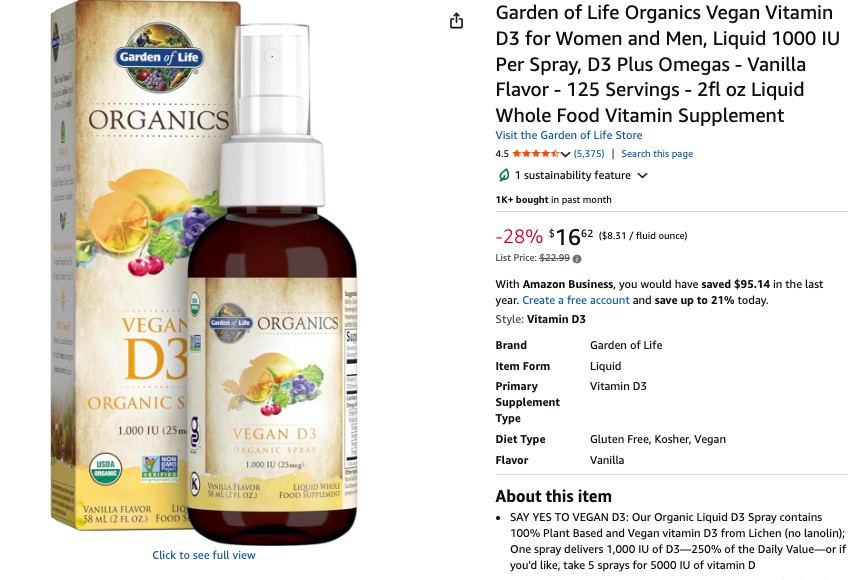
Vitamin D3
Vitamin D3 is essential for many bodily functions and is commonly deficient. The U.S. government now recommends vitamin D supplementation for many individuals, including children.
I a vitamin D3 supplement and when I test for micronutrient deficiencies my vitamin D levels are always good. I also prioritize natural sunlight exposure, since our bodies produce vitamin D when exposed to sunlight. Many people do not get adequate sun exposure, which is one reason supplementation is often recommended.
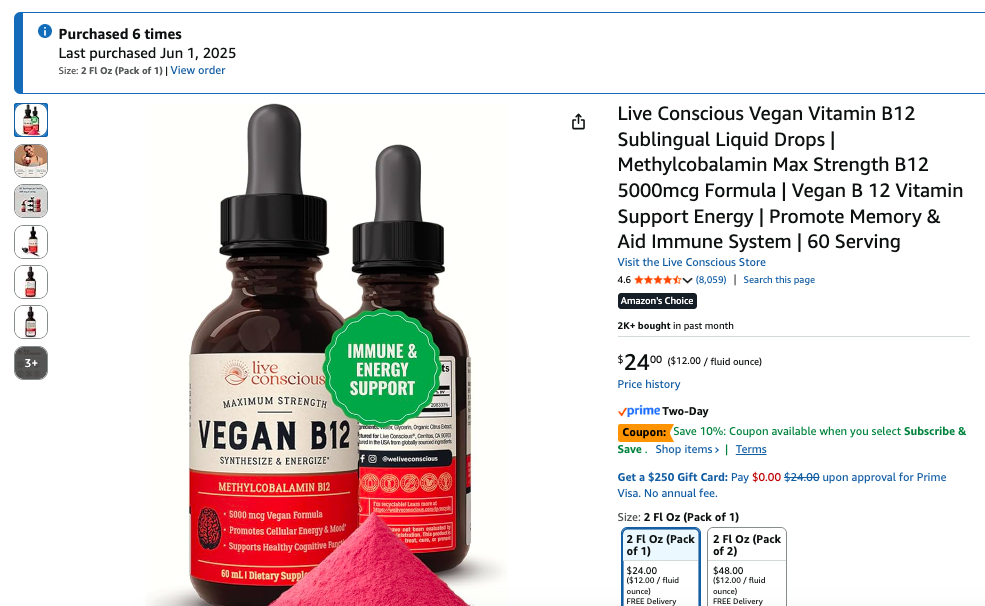
Vitamin B12
Many foods do not naturally contain vitamin B12, and deficiency can be extremely serious. In severe cases, permanent damage can occur if this nutrient is lacking.
There are two forms of vitamin B12 supplements: synthetic and natural. Experts debate which form is better. In my personal experience, I absorb the natural form more effectively. Only a small daily dose—or a larger weekly dose—is needed. Taking excessive amounts may cause side effects, such as acne.
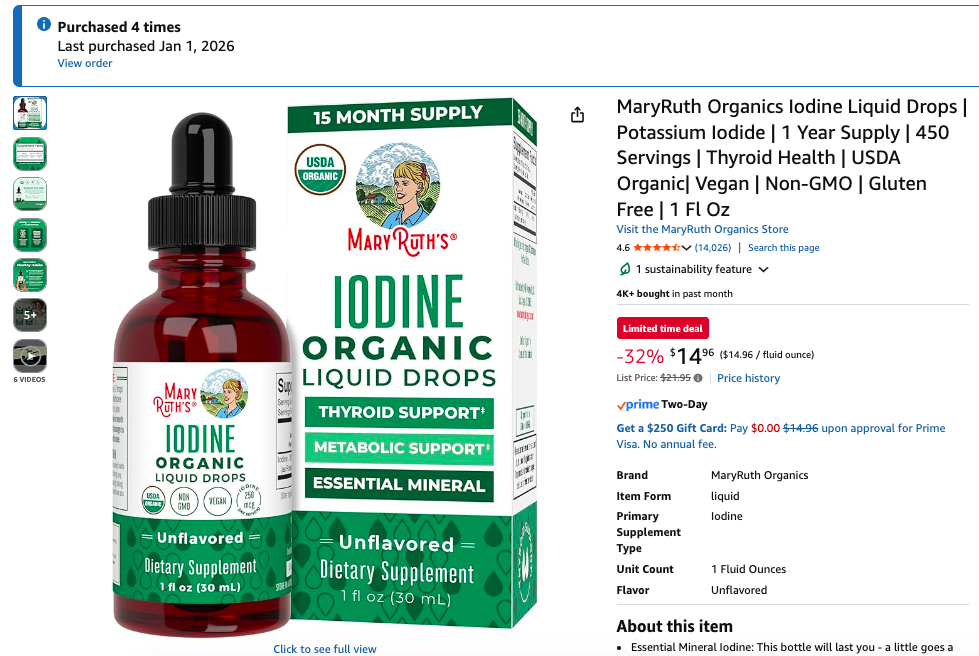
Iodine
Iodine is often lacking in modern diets. It is typically found in seafood, seaweed, sea salt, and some root vegetables. For decades, iodized salt has been recommended to help prevent iodine deficiency.
I prefer natural sea salt rather than iodized salt, so I choose to take a daily iodine supplement. Pregnant and lactating women require higher iodine intake than the general population.
Micronutrient-Dense Diet Tips
Here are my personal tips for meeting your vitamin and mineral needs through food:
- Prioritize whole, unprocessed foods.
- Include a variety of colorful fruits and vegetables.
- Rotate protein sources.
- Add mineral-rich foods such as leafy greens, nuts, seeds, and seafood.
- Plan meals ahead of time.
While many people can meet their needs through diet alone, some individuals—such as those who are pregnant, lactating, or managing certain health conditions—may still require supplements.
What to Do If You Think You’re Micronutrient Deficient
If you suspect a deficiency, here are three strategies I use to ensure I meet recommended intake levels consistently.
Meal Planning for a Micronutrient-Rich Diet
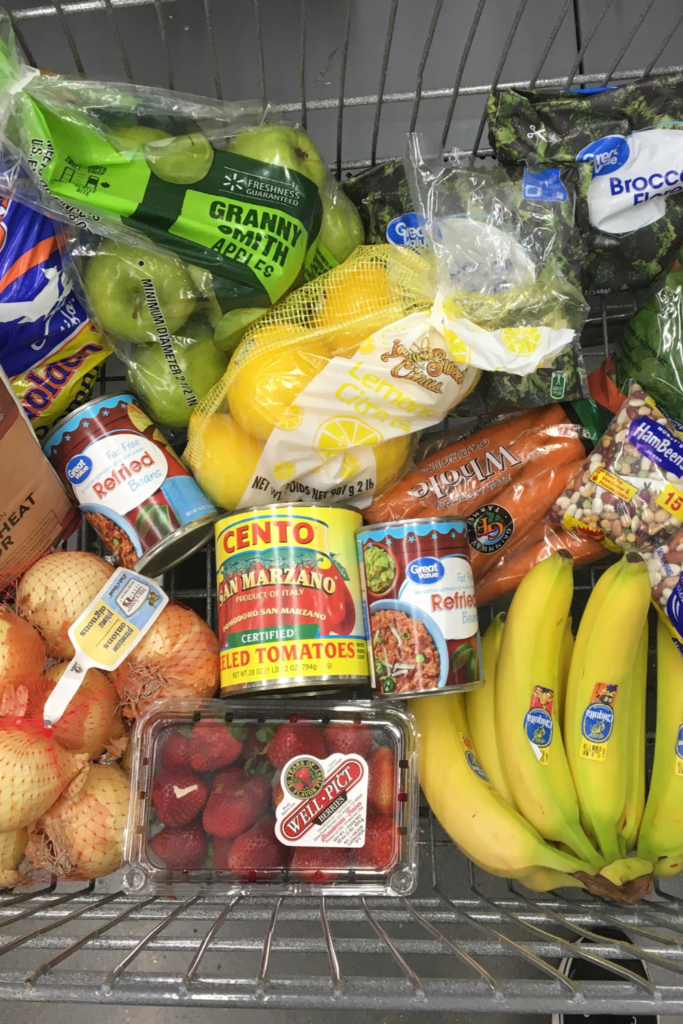
Creating a meal plan—or even just a grocery list—filled with vitamin- and mineral-rich foods helps me meet my nutritional goals each week. When healthy foods are readily available in your refrigerator, freezer, and pantry, it becomes much easier to eat them consistently and avoid micronutrient deficiency.
Best Micronutrient Diet Tracking App
I use an app called Cronometer to track my micronutrient diet. There is a free version available, and I personally use the upgraded Gold membership.
This app tracks daily, weekly, and monthly intake of vitamins and minerals, allowing me to monitor potential deficiencies before symptoms appear. It’s also helpful when discussing health concerns with my physician because I can show detailed records of what I’ve been eating.
Tracking what you eat simply makes sense—what we put into our bodies affects us in countless ways, especially when it comes to micronutrient deficiencies.
Micronutrient Deficiency Testing
Another important step I take once or twice per year is getting blood work to measure nutrient levels and absorption.
I use Labcorp for testing. The blood draw is quick, and results are typically available within a few days. I can then review the results with my physician if needed.
For example, a recent test revealed elevated uric acid levels. Through dietary adjustments, I corrected the issue and eliminated painful symptoms. That simple test significantly improved my quality of life.
Micronutrient Shopping Guide
Here’s a quick reference list of products and tools I personally recommend for maintaining a micronutrient-focused diet:
- Vitamin D3 supplement
- Vitamin B12 supplement
- Iodine supplement
- Micronutrient diet calculator app
- Micronutrient blood testing
- Micronutrient daily chart
- Micronutrient foods PDF
Prioritizing micronutrients can dramatically improve your overall health. When you focus on vitamins and minerals first, building a balanced diet with adequate macronutrients becomes much easier—and your body will thank you for it.
Thanks for reading! Subscribe to my YouTube channel for more tips on micronutrient-rich dieting!
Sincerely,
Veronica
Pin this post:

Leave a Reply