
You can eat “healthy,” exercise regularly, and still feel tired, foggy, or inflamed.
For many adults over 40 (including me!), the issue isn’t calories — it’s micronutrients.
The information in this post was created using AI so you know it’s got a lot of research behind it! This page also includes affiliate links. If you click on the affiliate links to products and services I recommend, it may generate a commission which is how this informative website is funded. Thanks for supporting my efforts to bring you healthy eating tips!
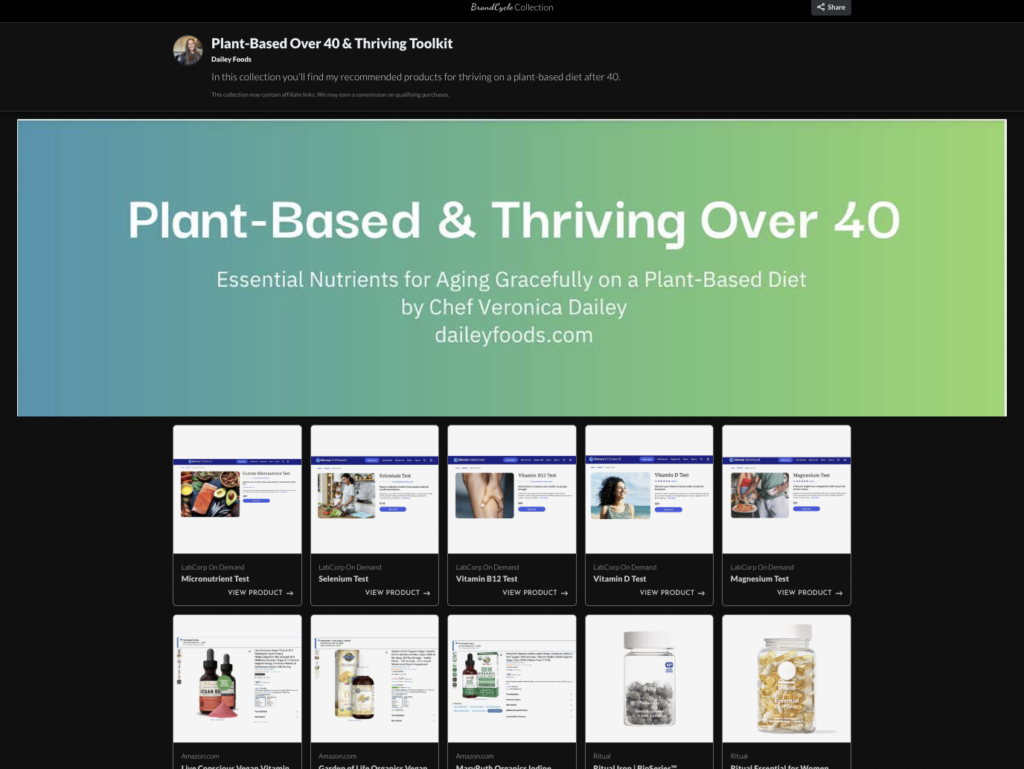
Shop my Plant-Based Over 40 & Thriving Toolkit
Here’s a page where I share my recommended vegan supplements and micronutrient deficiency testing options:
Micronutrient Testing
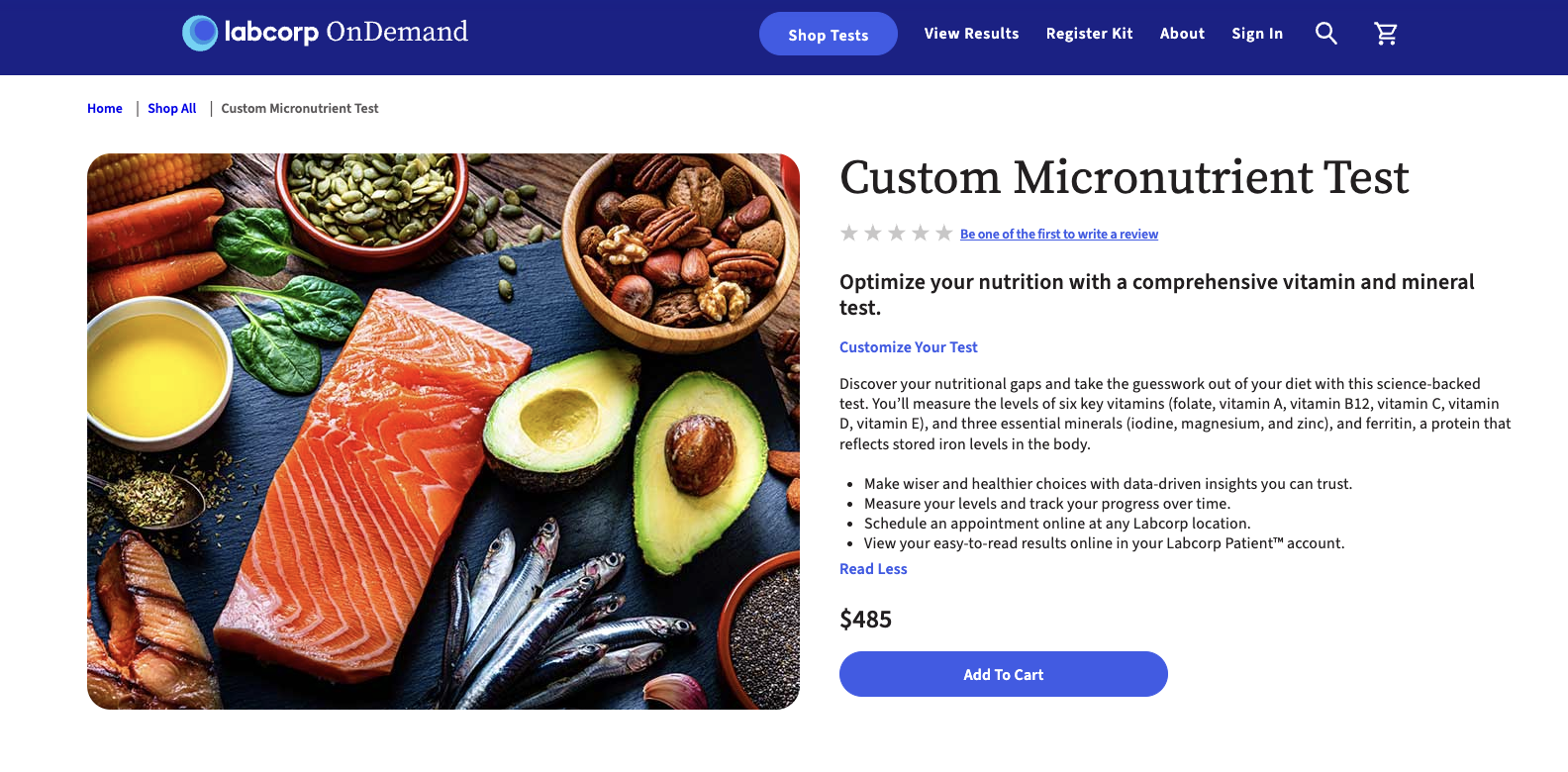
Watch what I found out from getting my micronutrients tested recently! The results helped me with a serious health issue I was experiencing!
Affiliate link: Learn more about LabCorp Micronutrient Testing >
Affiliate link: Learn more about LabCorp Micronutrient Testing >
Why Are Micronutrients Important? (Especially After 40)

Micronutrients are the small but powerful vitamins and minerals your body needs to function at a cellular level. Without them, your body cannot efficiently produce energy, regulate inflammation, repair tissues, or support immune health.
If you’re focused on improving your health through diet — especially in midlife and beyond — understanding micronutrients is one of the most important foundations you can build on.
View my Ultimate Beginners Guide to Micronutrients Diet in 2026 for even more tips!
What Are Micronutrients?
Micronutrients are vitamins and minerals required in small amounts but essential for survival and optimal health.
They fall into two categories:

Vitamins
* Vitamin A
* Vitamin D
* Vitamin C
* Vitamin K
* B vitamins (B12, B6, folate, riboflavin, thiamine, etc.)
Minerals
* Magnesium
* Zinc
* Iron
* Selenium
* Potassium
* Calcium
* Iodine
Unlike macronutrients (protein, fats, carbohydrates), micronutrients don’t provide calories — but they are required for your body to use those calories properly.
Think of them as the spark plugs in your metabolic engine.
Why Are Micronutrients Important for Your Body?
Micronutrients influence nearly every system in the body. Here are the most important ways they support your health — especially after 40.
Micronutrients and Energy Production
If you struggle with fatigue, this is critical.
B vitamins help convert food into usable energy.
Iron carries oxygen to tissues.
Magnesium supports ATP production (your body’s cellular energy molecule).
My Micronutrient Blood Test helped me treat my gout!
Even mild deficiencies can lead to:
* Chronic tiredness
* Brain fog
* Weakness
* Reduced exercise tolerance
You may be eating enough food — but without the right micronutrients, your body can’t efficiently use it.
Micronutrients and Immune Health
Your immune system depends heavily on micronutrients.
* Vitamin D helps regulate immune response.
* Zinc supports immune cell function.
* Vitamin C supports antioxidant defense.
* Selenium protects against oxidative stress.
As we age, immune resilience naturally declines. Micronutrient adequacy becomes even more important in supporting your body’s natural defenses.
- Vegan Diet & Over 40: 10 Micronutrient Deficiencies to Look Out For
- Learn more about Vitamin Deficiency Blood Testing with LabCorp
Micronutrients and Inflammation
Low-grade inflammation is linked to many age-related conditions.
Magnesium, zinc, omega-3 fatty acids, and antioxidant vitamins help regulate inflammatory pathways and oxidative stress.
A nutrient-dense diet doesn’t just “fuel” you — it influences how your body responds to stress and inflammation at the cellular level.
Micronutrients and Healthy Aging
After 40, micronutrient status becomes even more important due to changes in absorption, hormone levels, and metabolism.
Key areas affected include:
Bone Health
Vitamin D, magnesium, calcium, and vitamin K work together to maintain bone density.
Muscle Strength
Magnesium and vitamin D play roles in muscle contraction and performance.
Cognitive Health
Vitamin B12 and folate support neurological function and brain health.
Cardiovascular Health
Potassium and magnesium support healthy blood pressure regulation.
Small deficiencies over time can quietly affect these systems long before obvious symptoms appear.
Why Micronutrient Deficiencies Are Common After 40
Many adults are surprised to learn deficiencies are common — even with a “normal” diet.
Reasons include:
* Lower stomach acid (affects B12 absorption)
* Reduced sun exposure (low vitamin D)
* Medication interactions
* Digestive changes
* Highly processed food intake
* Soil nutrient depletion affecting produce
You can be overfed but undernourished — consuming enough calories but lacking critical micronutrients.
How Do You Know If You’re Deficient?
Symptoms can be subtle and overlap with normal aging.
Possible signs include:
* Persistent fatigue
* Brain fog
* Slow wound healing
* Muscle cramps
* Brittle nails or hair thinning
* Frequent illness
* Mood changes
However, symptoms alone are not reliable.
The only way to truly know your micronutrient status is through testing.
Should You Test Your Micronutrient Levels?
If you are serious about optimizing your health through diet, testing provides clarity.
Common lab markers that can be measured include:
* Vitamin D
* Vitamin B12
* Iron and ferritin
* Magnesium
* Zinc
* Inflammatory markers (like CRP)
* Thyroid markers
Many adults discover hidden deficiencies that were contributing to fatigue or poor recovery.
Comprehensive blood panels through laboratory providers like Labcorp can help identify gaps so you can adjust your diet strategically instead of guessing.
Testing allows you to personalize your nutrition — rather than following generic advice.
Best Food Sources of Key Micronutrients
Food should be your foundation whenever possible.
Here are nutrient-dense options that are widely available at retailers like Walmart and Target:
Magnesium-Rich Foods
* Pumpkin seeds
* Almonds
* Spinach
* Black beans
* Dark chocolate (high cacao)
Vitamin D Sources
* Fatty fish (salmon, sardines)
* Egg yolks
* Fortified dairy or plant milks

Zinc-Rich Foods
* Oysters
* Beef
* Lentils
* Chickpeas
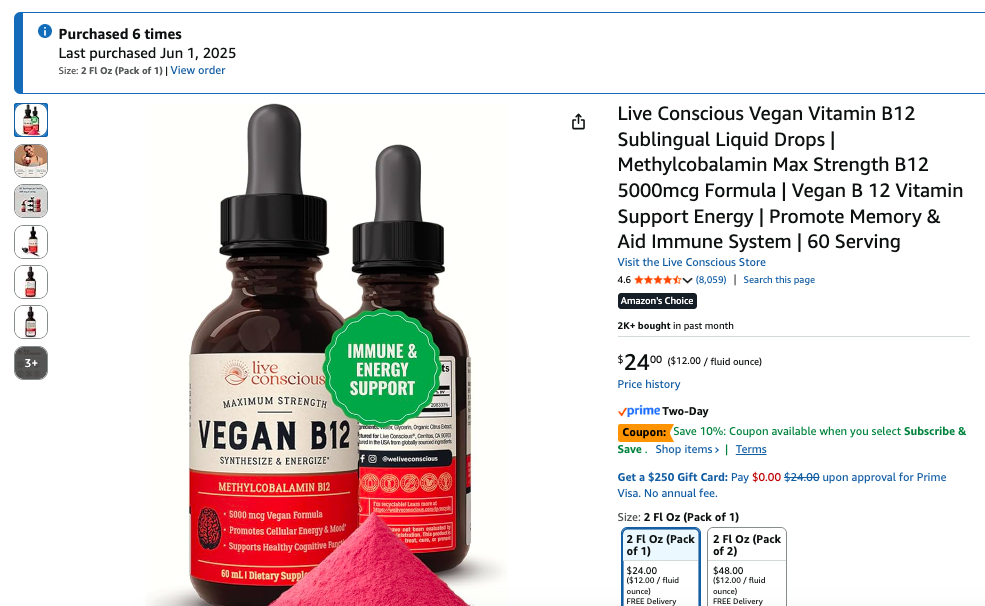
Vitamin B12 Sources
* Fish
* Meat
* Eggs
* Fortified foods
Potassium-Rich Foods
* Avocados
* Sweet potatoes
* Leafy greens
* Beans
Building meals around these foods increases nutrient density without increasing calories.
Can You Get Enough From Food Alone?
Many people can meet their needs through a well-planned diet rich in whole foods.
However, supplementation may be appropriate if:
* A deficiency is confirmed through testing
* Absorption is impaired
* Dietary restrictions limit intake
Testing first allows you to supplement strategically rather than randomly.
Secondly, tracking your diet and supplements is another great way to ensure you’re getting your nutritional needs met. I use the Cronometer App with Gold Membership upgrade to track my diet.
The Bottom Line
Micronutrients may be required in small amounts — but their impact is enormous.
They:
* Power cellular energy production
* Support immune resilience
* Influence inflammation
* Protect cognitive function
* Maintain bone and muscle strength
As we age, paying attention to micronutrient status becomes less optional and more essential.
If you’re using diet as a tool to improve your health, don’t overlook the smallest nutrients. They often make the biggest difference.
The smartest approach is simple:
1. Learn the foundations.
2. Consider testing to identify gaps.
3. Build your diet intentionally around nutrient-dense foods.
When you support your body at the micronutrient level, you support it at the cellular level.
View my Ultimate Beginners Guide to Micronutrients Diet in 2026 for even more tips!
Further reading: